The largest arrest of scammers
Overview: The World’s Largest Scam Crackdowns So Far
In 2025, law enforcement worldwide shifted from piecemeal arrests to coordinated, industrial-scale takedowns of scam syndicates. Cross-border task forces bringing together national police, cyber units, financial-intelligence teams, and regulators have targeted the full scam supply chain: boiler-room call centres, social-engineering “script houses,” money mules, crypto off-ramps, and the web of shell companies that wash stolen funds. The result has been some of the largest operations on record by arrests, assets restrained, domains seized, and platforms disrupted.
What’s changed this year isn’t just scale it’s speed. Agencies are moving faster by pairing traditional warrants and MLATs with real-time data-sharing, blockchain analytics, and emergency cooperation with payment platforms, telcos, and hosting providers. Where past investigations struggled to cross borders, 2025 crackdowns are built around joint command centres, simultaneous raids in multiple countries, and immediate seizure notices across domains, app stores, and exchange accounts. These actions are especially significant for Australian and U.S. victims, who’ve been heavily targeted by investment, romance, “pig-butchering,” and marketplace scams that use social media, messaging apps, and deepfake-assisted impersonation to scale deception.
The big lesson: modern scam operations look less like lone hackers and more like multinational enterprises with recruiters, tech support, compliance “teams,” and laundering desks. Taking them down requires treating them like enterprises, too: mapping networks, freezing liquidity quickly, and cutting off infrastructure so it can’t be recycled under a new brand a week later.
Below, we highlight two standout 2025 cases that illustrate how these syndicates actually operate, what triggered the investigations, the investigative playbooks used (from chip-off forensics to on-chain tracing), and most importantly what the outcomes mean for consumers, platforms, and policymakers going forward.
1. Thailand Scam Bust (AFP + Thai Police)
In June 2025, Thai authorities, with assistance from the AFP, raided a call center running elaborate investment scams from a Bangkok mansion. The operation led to the arrest of 13 suspects, including 5 Australians who reportedly stole at least $1.9 million from victims in just two months. Australians have lost over $945 million to investment scams in 2024 alone
2. Operation First Light (Global)
A massive, coordinated 2024 operation across 61 countries, spearheaded by Europol and INTERPOL, resulted in:
- 3,900 arrests
- USD 257 million seized
- Recovery of assets and disrupted scam networks operating in phishing, romance fraud, fake shopping, and more.
Why These Operations Matter
- Global Collaboration: These efforts shine a spotlight on how scammers often operate across borders and how coordinated responses are essential.
- Asset Recovery: Significant sums were recovered and suspect accounts frozen—offering real relief for victims.
- Deterrence Effect: High-profile stings may deter future scams and encourage more victims to come forward.
How These Operations Unfolded
|
Operation |
Key Players |
Outcome |
|
Thailand Call Center Bust |
AFP + Royal Thai Police |
13 arrests, $1.9M stolen, call center dismantled |
|
Operation First Light |
INTERPOL + Europol et al. |
3,900 arrests, $257M seized across 61 countries |
These raids involved intelligence sharing, undercover ops, and rapid coordinated action—highlighting the complexity of modern scam networks.
How Scammers Are Still Exploiting Loopholes
Despite these takedowns, scams remain pervasive:
- Call Centers & Fake Investments: Continually evolve, often using high-pressure sales tactics via scripts.
- Digital Platforms & Phishing: Scam apps, phishing networks, and even AI-powered misinformation remain key threats
- Scam Hubs in Southeast Asia: Many operations shift to countries like Cambodia and Myanmar, where law enforcement remains limited
How CypherGuard Supports You
- Scam Incident Monitoring: We track emerging call centers and phishing infrastructure.
- Cross-Border Tracing: Coordinate with international cases, especially helpful in operations like these.
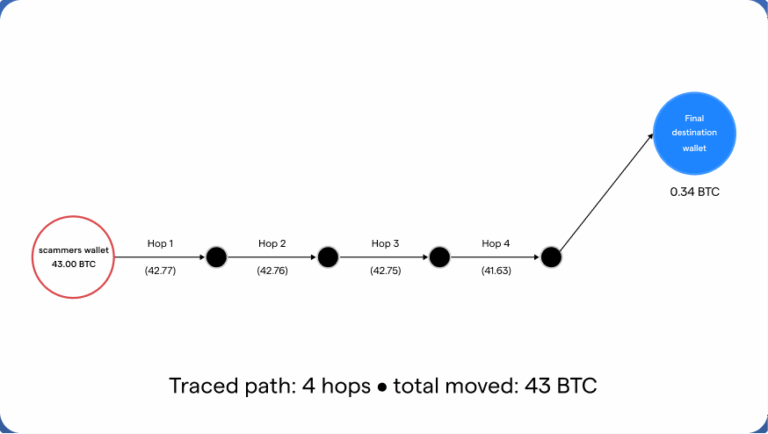
- Cyber Intelligence Support: Mapping wallet flows, hosting IPs, and identifying virtual call center networks.
- Victim Assistance: Provide documentation used in reports submitted to law enforcement and embassies.
Expert Tips to Stay Ahead of International Scam Networks
- Verify Before You Trust
Whether it’s a job, investment, or new relationship, research first. Reverse image search their photos. Ask for official documents. Check ASIC or SEC registers. - Be Wary of Crypto Pressure
Anyone pushing you to invest quickly, or only in cryptocurrency, should raise alarms. Reputable opportunities allow time to review. - Use Official Channels Only
Never click on random links from emails or DMs. Type in URLs manually and bookmark the real websites. - Secure All Your Accounts
Use strong passwords, change them regularly, and enable 2FA on every financial, crypto, or communication platform you use. - Don’t Go Silent
Many victims feel embarrassed. But the sooner you speak up, the better your chance at disrupting the scam or recovering funds.
Scam networks are large, fast-moving, and increasingly sophisticated. But law enforcement, cybersecurity firms, and public awareness are catching up. Massive busts like Operation First Light and regional raids like the Thai investment scam ring are a reminder that justice is possible.
If you’ve been scammed or suspect a fraud is in progress, don’t wait. Reach out to CypherGuard, your first line of cyber defence. We move fast, use real intelligence tools, and may be able to assist while the scammer is still active.
Together, we fight smarter.
FAQ
Q: Which arrest was the biggest so far?
A: Operation First Light holds the record with nearly 4,000 arrests and over USD 257 million seized globally
Q: Are these operations helping real victims?
A: Yes, Thailand’s bust stopped a ring that was actively defrauding Australians, and First Light recovered stolen assets and disrupted widespread scam operations.
Q: What can I do if I’m a scam victim?
A: Report it quickly to local authorities (e.g., AFP, FTC, Scamwatch) and reach out to CypherGuard to start tracing funds or phishing infrastructure.
Q: Are these large scam networks organized crime?
A: Yes, many are tied to organized criminal syndicates operating call centers in Southeast Asia, Eastern Europe, and Africa. These groups often commit fraud, identity theft, and cybercrime as part of a larger financial ecosystem.
Q: What if I was tricked into working for a scam company?
A: It happens more than people think. Report it immediately. In Australia, contact the Fair Work Ombudsman and ReportCyber. In the US, contact the FBI and the Department of Labor. CypherGuard may also be able to help document what happened and support you in clearing your name.
Q: How long does it take to trace a wallet or scam website?
A: CypherGuard can typically identify the destination and related wallets within hours. If websites or payment rails are involved, we collaborate with domain registrars and financial services to escalate reports quickly.